 English
 русский

Труборезный станок с ЧПУ предназначен для высокоточной резки труб из нержавеющей стали, особенно подходит для производст...
Подробнее
Walk through any modern production space that makes drinkware, and the change is easy to sense. The pace feels different. The workflow is more connected. There is less pause between steps. Vacuum flasks, once treated as simple daily items, now carry more attention in how they are made. Behind that shift, machines designed for vacuum flask production are becoming part of the core process rather than an optional upgrade.
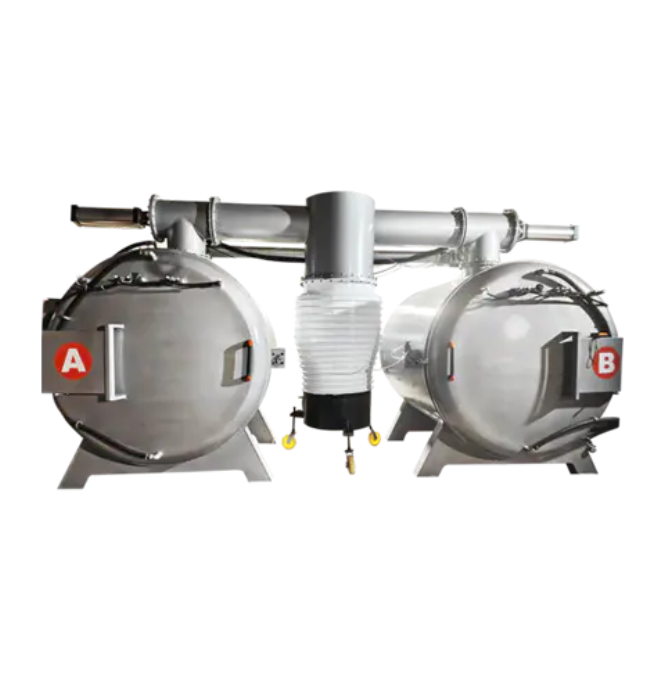
This change did not happen overnight. It grew slowly as manufacturers faced new pressures. Orders became less predictable. Designs changed more often. Buyers began to notice small details. A slight difference in shape or performance could influence their choice. Under these conditions, relying only on manual work became harder to manage. Vacuum flask machine stepped in to stabilize the process and bring a clearer structure to production.
Production today is shaped by many small changes rather than one major shift. Demand patterns are less stable. Some periods are busy, others are quiet. Manufacturers need to respond without wasting time or materials.
At the same time, product expectations have expanded. A vacuum flask is no longer just about keeping a drink warm or cool. People look at how it feels in the hand. They notice the finish. They care about how smoothly the lid opens and closes. These details are subtle, but they matter.
When these expectations meet uneven production methods, problems appear. One batch may look slightly different from another. Some pieces may not meet the same standard. Over time, these small gaps affect how products are viewed.
Machines help reduce this gap. They bring a steady rhythm to production. Each step follows a clear path, which helps keep output more stable even when demand changes.
In many factories, the goal is not just to produce more items, but to keep each item close to the same standard. Stability becomes a daily concern.
Manual work depends on attention, experience, and timing. Even skilled workers can produce slight variations. A small shift in alignment or pressure can affect the final result. These differences may be minor, but they accumulate.
Vacuum flask machines reduce this variation by guiding each step. Parts are positioned in a controlled way. Movements repeat with the same pattern. This does not remove human involvement, but it reduces the number of variables.
The benefit is not only in the final product. It also shows in the process itself. Fewer interruptions occur. Less time is spent correcting issues. Production flows with fewer stops and restarts.
A vacuum flask is often used throughout the day. It travels between places. It is opened and closed many times. Because of this, users expect it to perform in a steady way.
If one flask keeps a drink warm longer than another, or if the lid feels loose on some pieces, users notice. These differences affect trust. Even small inconsistencies can lead to hesitation when choosing a product again.
Manufacturers respond by focusing more on repeatability. They want each unit to behave in a similar way. Machines support this by controlling how parts come together. The joining process follows a consistent pattern, which helps maintain uniform performance.
Over time, this approach builds a more reliable product line. Users may not see the production process, but they experience its results.
Drinkware designs are far more diverse than they used to be. Products come in all sorts of shapes, with smooth or textured surfaces. Colors and surface coatings also shift to match popular trends.
This creates manufacturing hurdles. Older production equipment needs major rework for every new design, which wastes time and lowers overall output.
Vacuum flask production machines are built for flexibility. Operators only adjust certain parameters to switch product shapes, instead of fully resetting the whole setup. Factories can swap between different designs without shutting down the full production line.
New styles can then be rolled out much easier. There's no need for lengthy production stops. Manufacturers can quickly adapt to changing customer tastes while keeping steady production volumes.
Manual production has its strengths. It allows flexibility and can handle small batches with care. However, when demand increases, certain challenges appear.
Some common issues include:
These issues do not mean manual work is outdated. It still plays an important role. But without machine support, it becomes harder to keep pace with modern demands.
Machines help reduce these pressures. They take over repetitive tasks and allow workers to focus on monitoring and adjustment.
People often equate efficiency with faster output, but smooth handoffs between work steps matter just as much. On a properly set up production line, every operation leads straight to the next with no lag in between.
Equipment built for vacuum flask manufacturing ties multiple production steps together on one unit. There's no need to shuttle components between different work stations. This cuts down idle time and keeps parts from getting scratched or dented during transfers.
This streamlined layout also simplifies material management. Raw supplies follow a fixed, consistent path through the plant, with no unnecessary back and forth. The workshop stays neat, and teams avoid disorganized stock movement that slows work down.
Production runs steadily as a whole. Staff can easily track where each batch stands, and small setting changes can be carried out without stopping the full line.
Equipment lets quality checks run alongside manufacturing, instead of only inspecting finished goods at the final stage.
Machinery spots flaws the second they appear, letting crews fix problems early. For instance, minor alignment drift can be adjusted right away before batches of faulty goods are produced.
This method brings down scrap rates noticeably. It also saves working hours, as far fewer finished goods will need rework further down the line.
Quality oversight turns into a natural part of daily production rather than an extra standalone task. Output stays more consistent, and sudden mass quality issues become much less common.
Factories constantly look to better manage all resources, covering raw materials, working hours and power consumption alike.
Precise machine operation minimizes fabrication mistakes. Accurate forming and assembly mean fewer faulty components thrown away, lowering total material waste long term.
Power consumption becomes far more predictable too. Machines run set, regulated cycles, making energy usage simple to monitor and control. This is much more consistent than inconsistent fully manual workflows.
Uniform production also boosts product durability. Flasks built under steady standardized processes have longer service lives. Customers replace them less often, which further lessens overall material demand.
A modern production setup often connects several stages into one continuous process. Each stage supports the next, creating a smoother flow from start to finish.
| Production Stage | Machine Role | Result in Production |
|---|---|---|
| Forming | Guides shape with steady motion | Consistent structure |
| Assembly | Aligns components accurately | Better fit between parts |
| Sealing | Applies controlled pressure | Stable insulation performance |
| Surface treatment | Maintains even finish | Uniform appearance |
| In-process checking | Identifies small deviations | Fewer rejected units |
This structure reduces interruptions. It also helps maintain a steady rhythm across the entire production line.
As machines take on repetitive tasks, the role of workers shifts. Instead of focusing only on manual assembly, workers now observe and guide the process.
They monitor machine behavior, check for irregular sounds or movements, and make adjustments when needed. This requires attention and understanding of both the equipment and the product.
Training becomes important in this environment. Workers need to know how to respond when something changes. They also need to understand how each stage affects the final result.
The work becomes less about repetition and more about coordination. This can create a more balanced workflow and reduce physical strain from repetitive tasks.
The growing reliance on vacuum flask machines comes from how they address several needs at once. They help maintain stability, support flexible design, and improve workflow efficiency.
Manufacturers face a production environment that changes more often than before. Orders vary. Designs evolve. Expectations continue to rise. In this setting, a stable and adaptable process becomes necessary.
Machines provide a way to build that stability. They do not replace human input, but they create a framework where human effort and mechanical precision work together.
Over time, this combination has moved from being optional to becoming part of the standard approach in modern drinkware production.
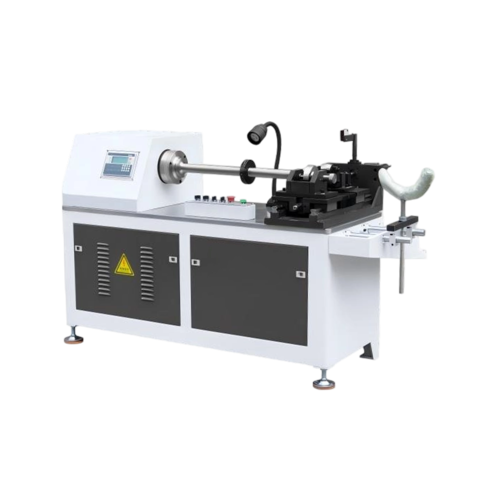
Труборезный станок с ЧПУ предназначен для высокоточной резки труб из нержавеющей стали, особенно подходит для производст...
Подробнее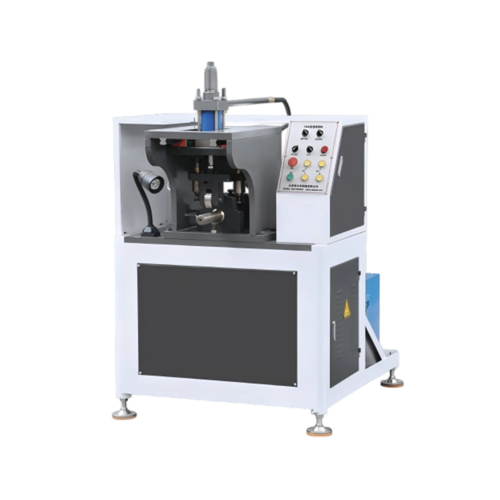
Гидравлическая машина для сплющивания сварных швов представляет собой специализированное оборудование, предназначенное д...
Подробнее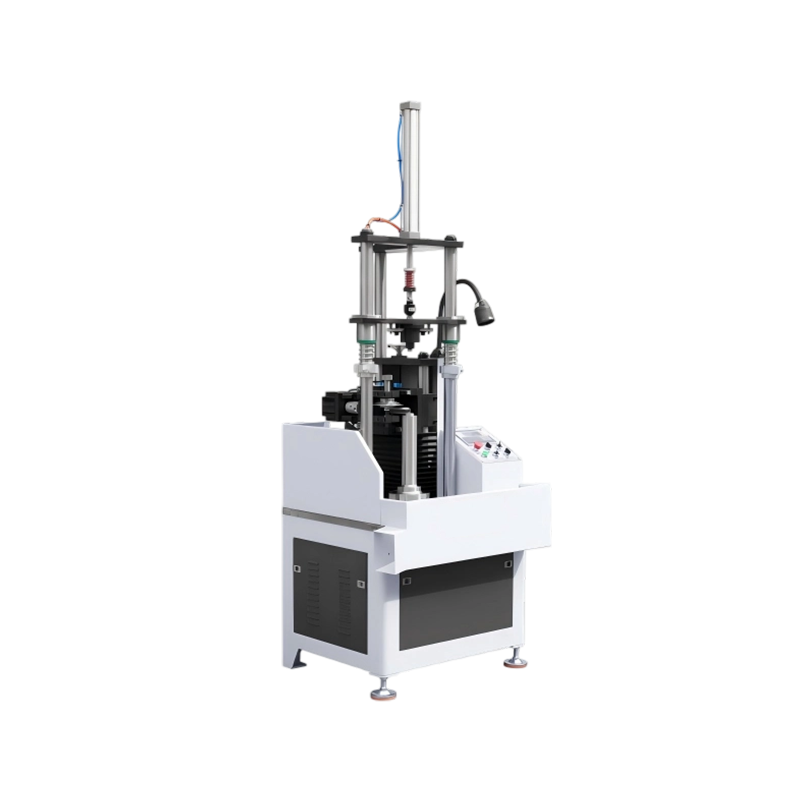
Станок для резки горлышка обода с ЧПУ - это высокоточное, полностью автоматизированное оборудование, предназначенное ...
Подробнее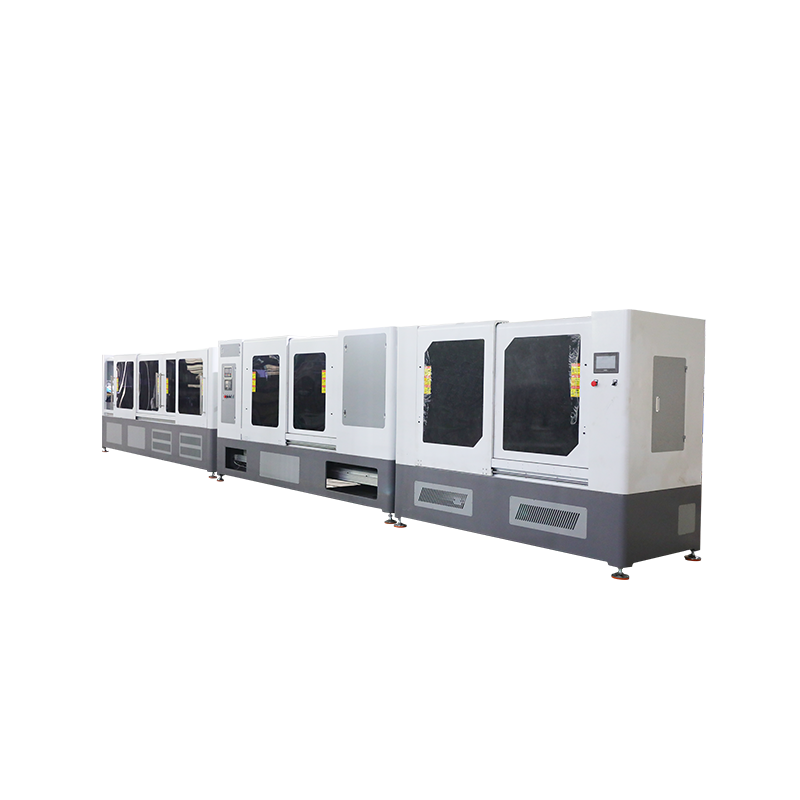
Полностью автоматическая волочильная машина для термосов представляет собой прецизионную производственную систему. Он...
Подробнее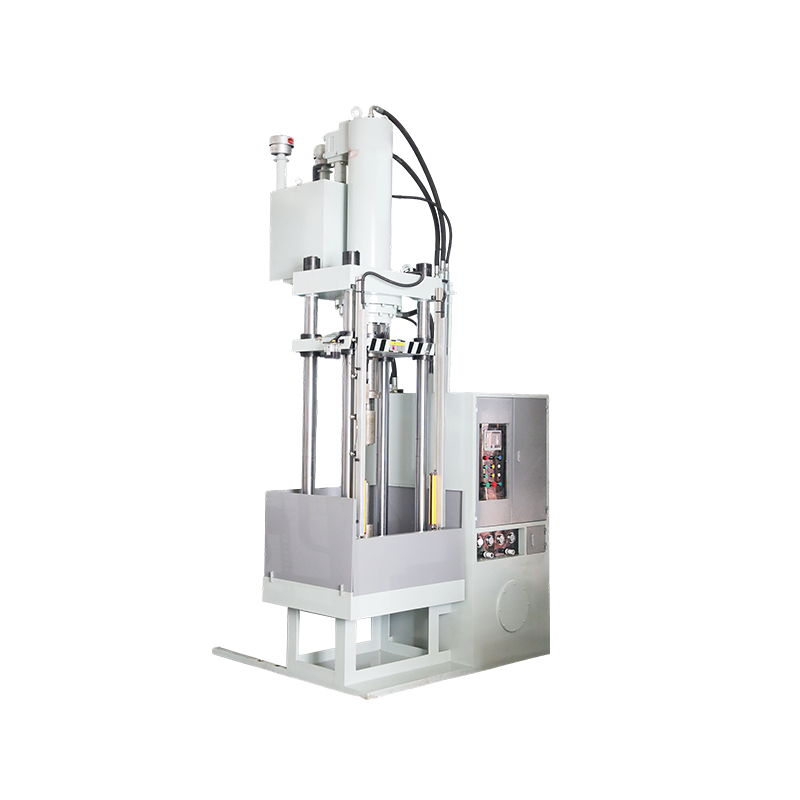
Машина для гидроформовки термосов предназначена для точной формовки как внешней оболочки, так и внутренней вставки чашео...
Подробнее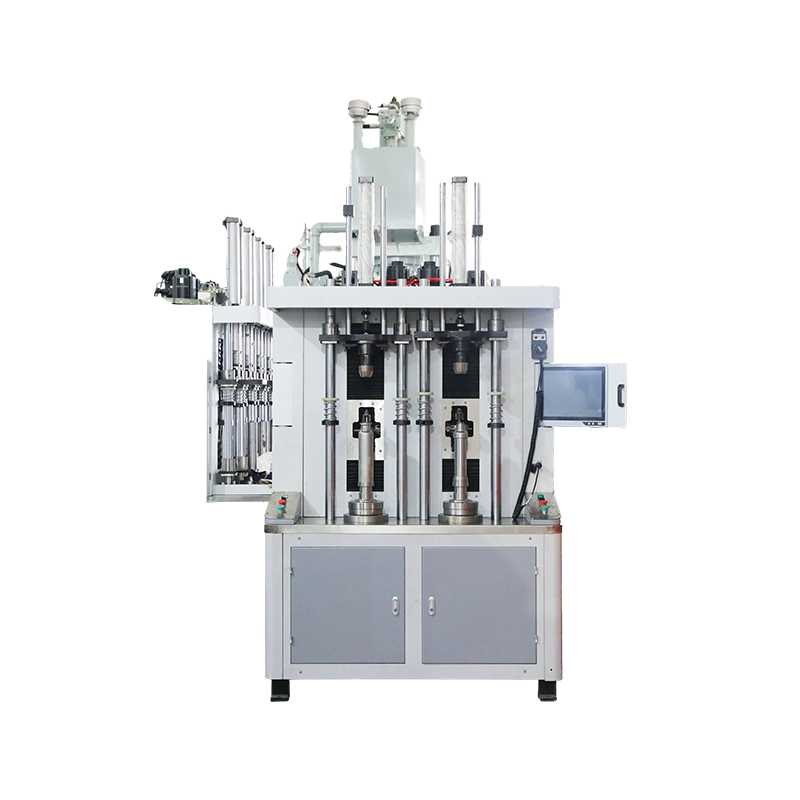
Двухстанционная машина для усадки концов труб с ЧПУ предназначена для процесса прядения и сжатия горловины чашек и го...
Подробнее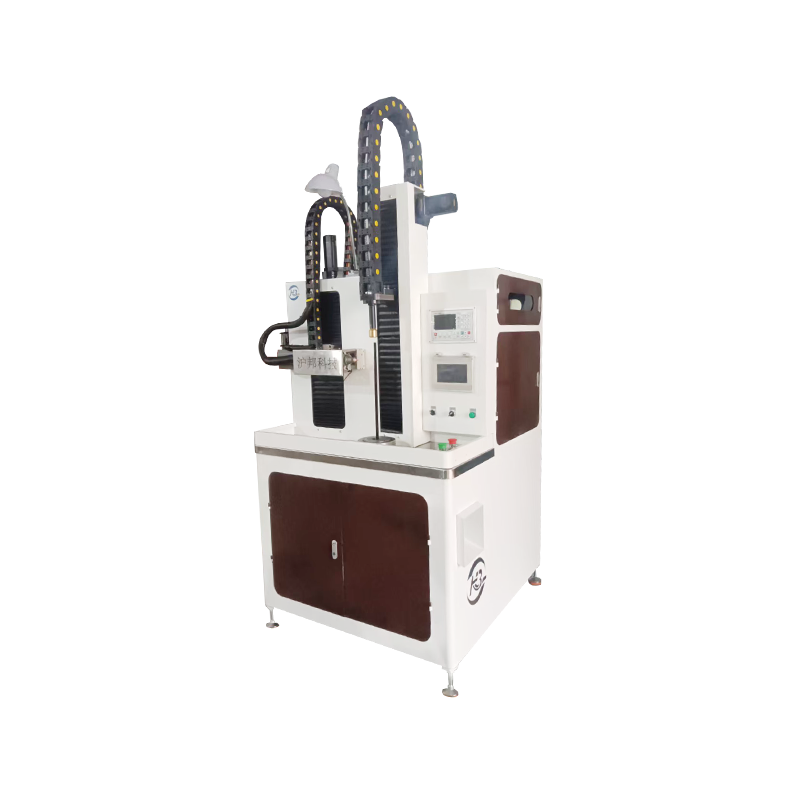
Лазерная машина для разделения бутылок предназначена для точной обработки различных компонентов чашек и горшков, вклю...
Подробнее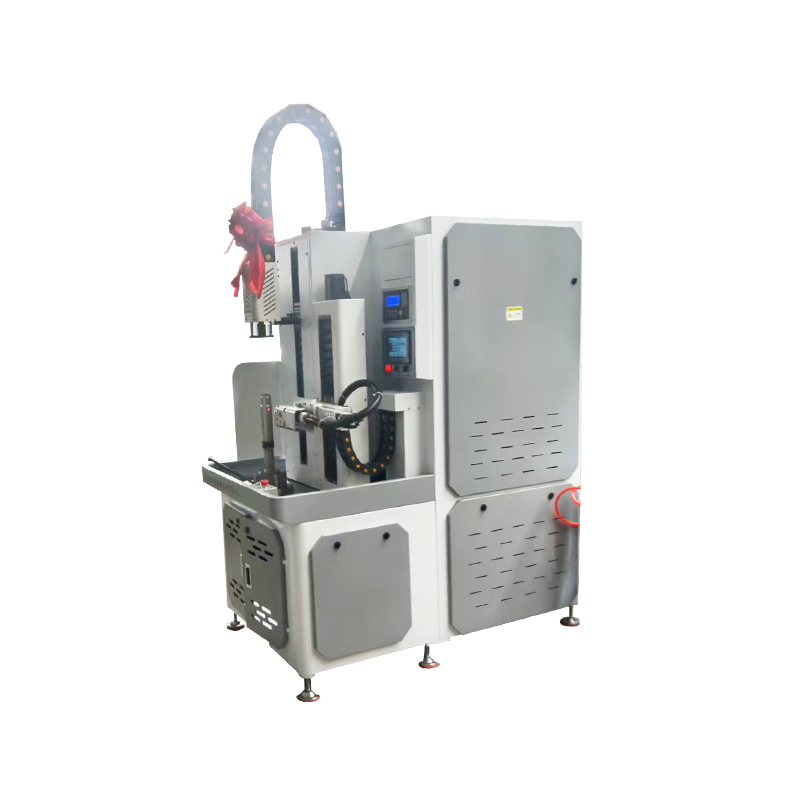
Автоматическая лазерная машина для резки торцов вакуумных колб - это высокоточное оборудование, предназначенное для э...
Подробнее
Yongkang Hubang Machinery Technology Co., Ltd.

No. 223, Chengxin Road, Economic Development Zone, Dongcheng Street, Yongkang City, Jinhua City, Zhejiang Province, China
Авторское право © Yongkang Hubang Machinery Technology Co., Ltd.



